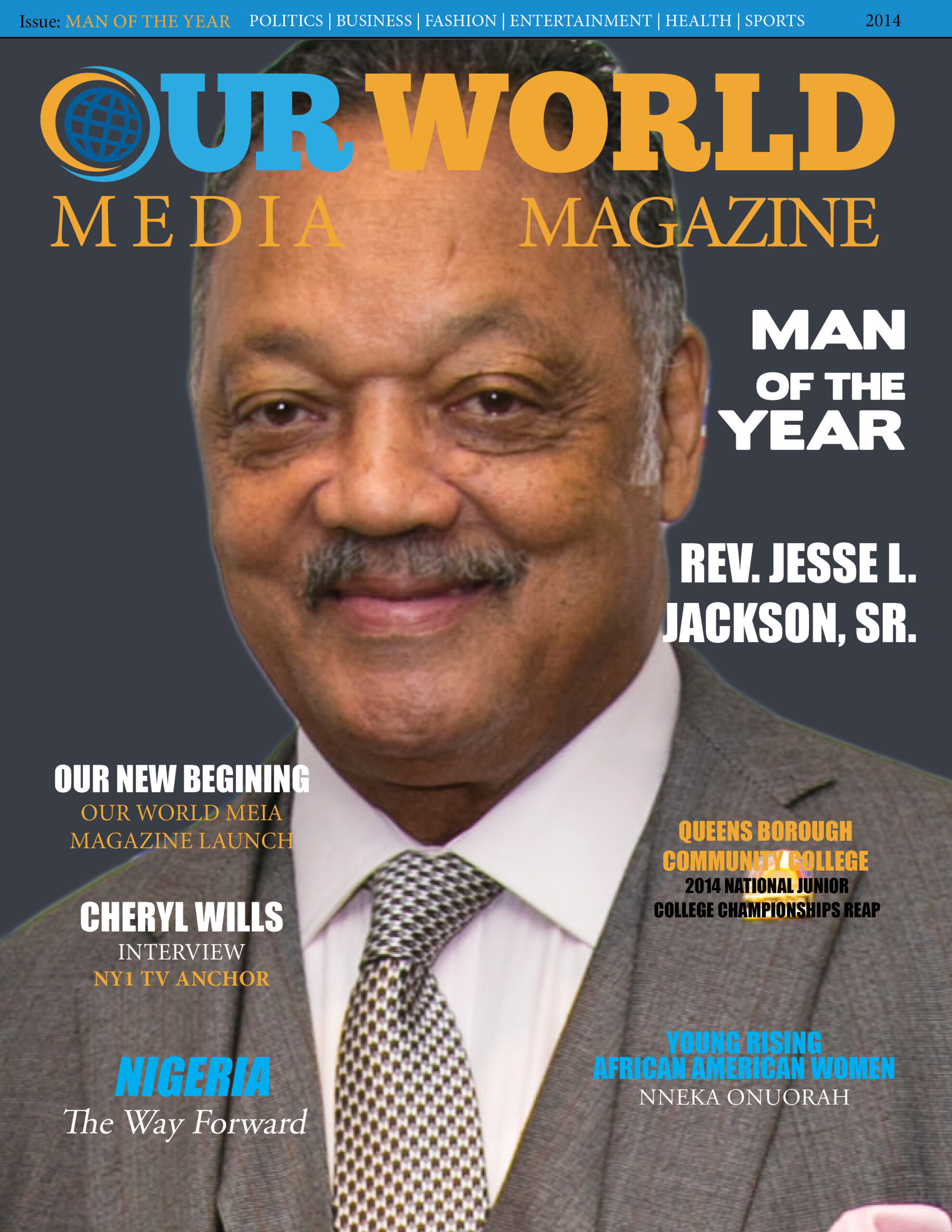







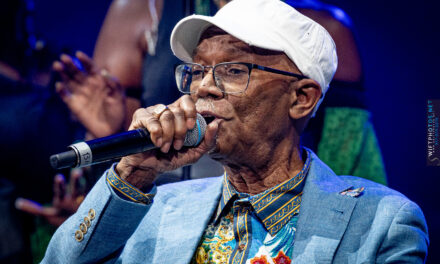

The passing of Jesse L. Jackson Sr. marks more than the loss of a towering civil rights leader. It signals the closing of an era defined by prophetic courage, disciplined organizing, and an unyielding insistence that America expand the meaning of democracy.
Rev. Jackson was not merely a participant in the Civil Rights Movement—he was one of its most enduring architects in the decades that followed. At a time when many assumed the work was complete, he understood that justice requires perpetual vigilance. Through the founding of the Rainbow PUSH Coalition, he institutionalized inclusion. He transformed moral protest into political power, registering millions of voters, mobilizing young people, and building multi-ethnic coalitions that reshaped the electoral landscape of the United States.
His presidential campaigns in 1984 and 1988 were not symbolic exercises; they were structural interventions. They expanded participation, normalized Black presidential viability on the national stage, and compelled the Democratic Party to reckon with a broader, more diverse coalition. The modern architecture of that party—urban, multiracial, youth-engaged—bears his fingerprints.
Yet beyond strategy and structure, Rev. Jackson’s most formidable instrument was his voice. He spoke with moral clarity sharpened by faith, compassion grounded in lived struggle, and conviction anchored in the belief that justice is not negotiable. His oratory was not performance; it was persuasion. It moved hearts, but it also moved policy.
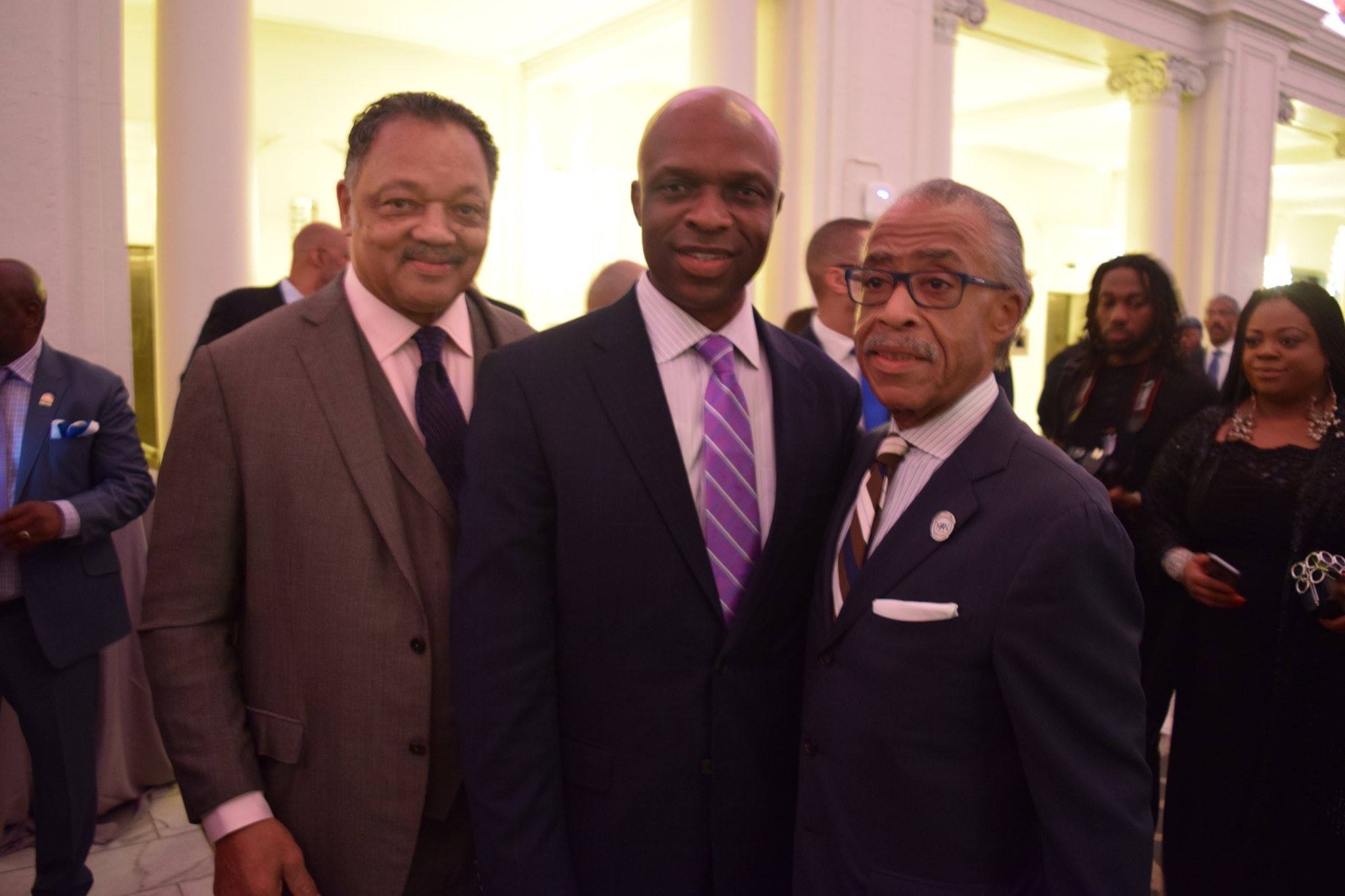
For those of us committed to civic engagement and public service, he represented both inspiration and accountability. I had the distinct honor of interviewing him during a Rainbow PUSH Coalition Summit in New York City and presenting him with a copy of my book, The Political Diary of A Rising Son (2010). That encounter was more than professional courtesy—it was a symbolic exchange across generations. A young advocate shaped by his movement standing before one of its principal builders.
In reflecting on his life, I am reminded that Rev. Jackson did not simply call for inclusion; he organized it. He did not merely preach equality; he constructed coalitions capable of demanding it. He did not wait for history to bend—he applied pressure.
We may not witness another leader of his magnitude in our lifetime. But if his legacy is to endure, it will not be through memory alone. It will endure through participation, through coalition-building, through courage in the face of resistance, and through an unwavering commitment to justice.
His voice may be silent, but the work continues.
George Onuorah
Publisher
Our World Media